
Using electric vehicles as backup energy for the family

Frequent power outages are a challenge for many Filipino families. In the midst of this situation, citizens are looking for smarter ways to have a continuous power supply in their homes. Using an electric vehicle (EV) as backup energy is becoming a practical solution today.
Many families are starting to use solar panels to charge their vehicles. The shift to solar energy provides freedom from dependence on the power grid [1]. Due to the rising price of gasoline, more people are turning to this technology [2].
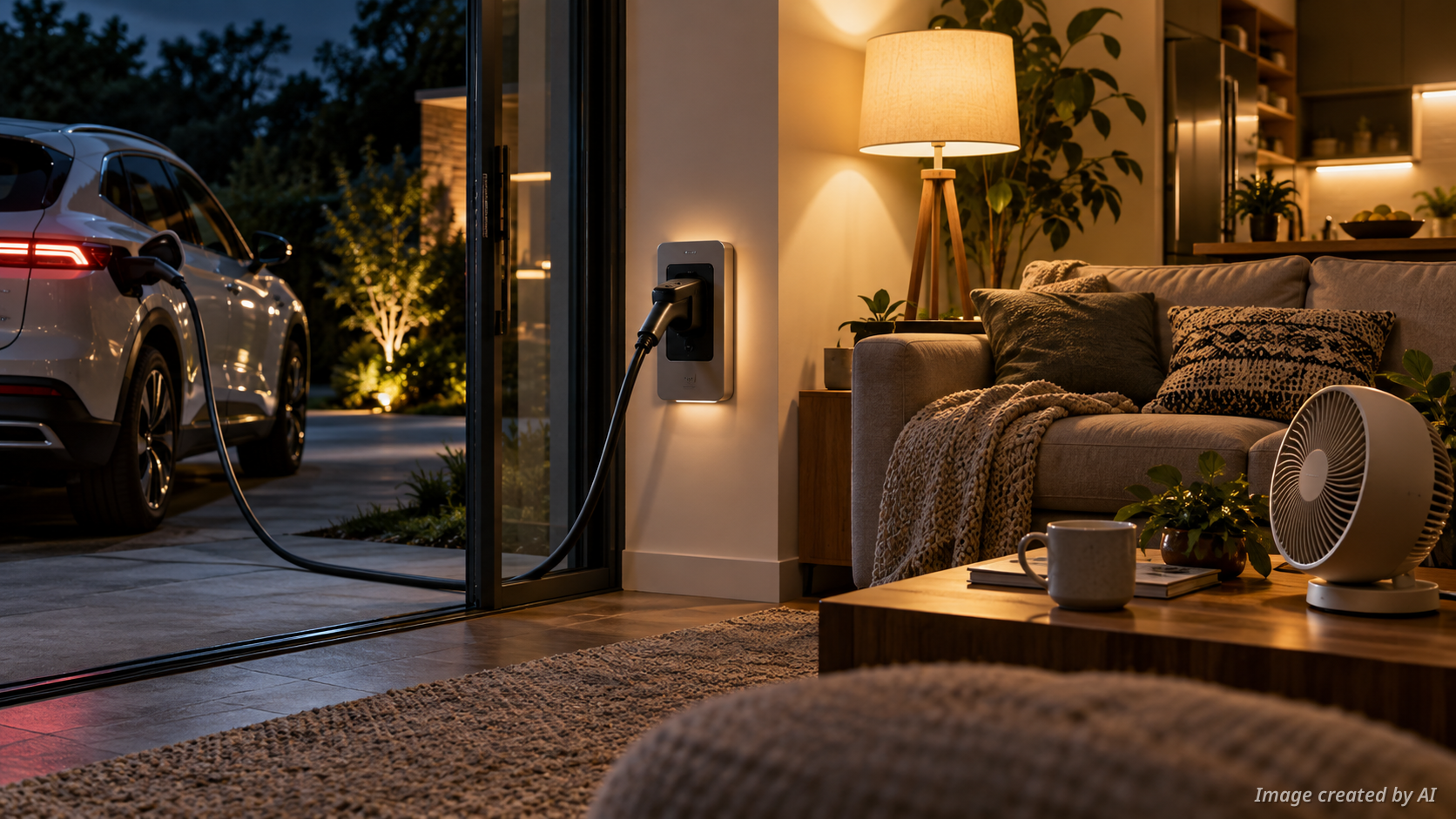
Why electric vehicles are ideal as backup
Modern electric vehicles are not just for transportation. They serve as large batteries capable of storing energy [5]. During a brownout, the energy stored in the vehicle’s battery can be used for essential household appliances.
The energy storage system within a home becomes more effective when integrated with EV technology [3]. You no longer have to worry about sudden power outages if you have enough charge in your vehicle. This is a smart move for areas that frequently experience power disruptions.
The role of solar energy in charging
Charging a vehicle using rooftop solar panels leads to significant savings. According to experts, energy obtained from the sun is almost free [1]. This is why the number of EV users in the country is growing rapidly.
Aside from savings, it also helps the environment. The use of clean energy lowers the carbon footprint of every family. The importance of software in managing renewable energy is invaluable in maintaining a smooth flow of electricity in your home.
Growth of the electric vehicle industry in the Philippines
Technology in the country continues to advance. The government and private sectors are working together to strengthen the industry. Recently, there have been battery production facilities established right here in the Philippines [4]. This step will lower the price of electric vehicles in the future.
Having local production means easier access to parts. More families will be able to afford EVs that they can use as backup energy. This is a positive change for energy security in our communities.
Steps to get started
If you want to turn your vehicle into a backup power source, you need to prepare a few things. First, ensure that your home has the proper infrastructure for solar charging. Second, consult with experts regarding the right inverter and charging station.
Do not forget the importance of an electric vehicle with self-diagnostic capabilities. Choosing the right model is key to the long service life of your vehicle. Learning about the benefits of this technology will help you in your decision-making.
Analysis of benefits
Using an EV as backup has several key advantages:
- Having electricity during an emergency.
- Reducing electricity costs using solar power.
- Supporting a cleaner environment.
- Preparation for disasters or unexpected brownouts.
Families living in areas prone to power outages will benefit greatly from this. They no longer need to rely solely on traditional generators that are noisy and consume expensive gasoline. An electric vehicle is quiet, clean, and reliable.
The future of home energy
The shift to electric vehicles is not just a trend. It is a necessary step for modern living. As time goes on, these technologies will become more affordable for more Filipinos.
The integration of solar energy and electric vehicles provides freedom for families. With every vehicle charge, we build a more stable future. Every step toward using renewable energy is important for all of us.
More Information
- Solar panel: A device that captures light from the sun and converts it into electricity. It is a primary source of clean energy for homes and for charging vehicles [1].
- Electric vehicle: Vehicles that use electricity from a battery instead of gasoline. They help reduce pollution and save on transportation costs [2].
- Backup energy: A system that provides electricity when the supply from the main grid is lost. EV batteries serve as energy storage for this purpose [3].
- EV battery: The part of an electric vehicle that stores energy. It powers the vehicle and can also provide electricity to the home through the right technology [4].
- Renewable energy: Energy that comes from natural resources that are not depleted, such as the heat of the sun. Its use is essential for sustainable energy development [5].
Related Posts
-
 Uncategorized
Factors driving consumers toward electric vehicles
Read more →Currently, the transportation landscape in the Philippines is changing rapidly. Many consumers are beginning to shift from traditional gasoline-powered vehicles…
-
 Uncategorized
Why the use of electric vehicles is growing rapidly among consumers today
Read more →Currently, many of us Filipinos are beginning to change our perspective when it comes to choosing a vehicle. The rise…
-
Uncategorized
OTA updates for smart massage chair systems
Read more →Driving for long hours causes extreme physical fatigue. For drivers, having a smart massage chair is a significant help. These…