
The culture of vehicle modification and personalization in Vietnam
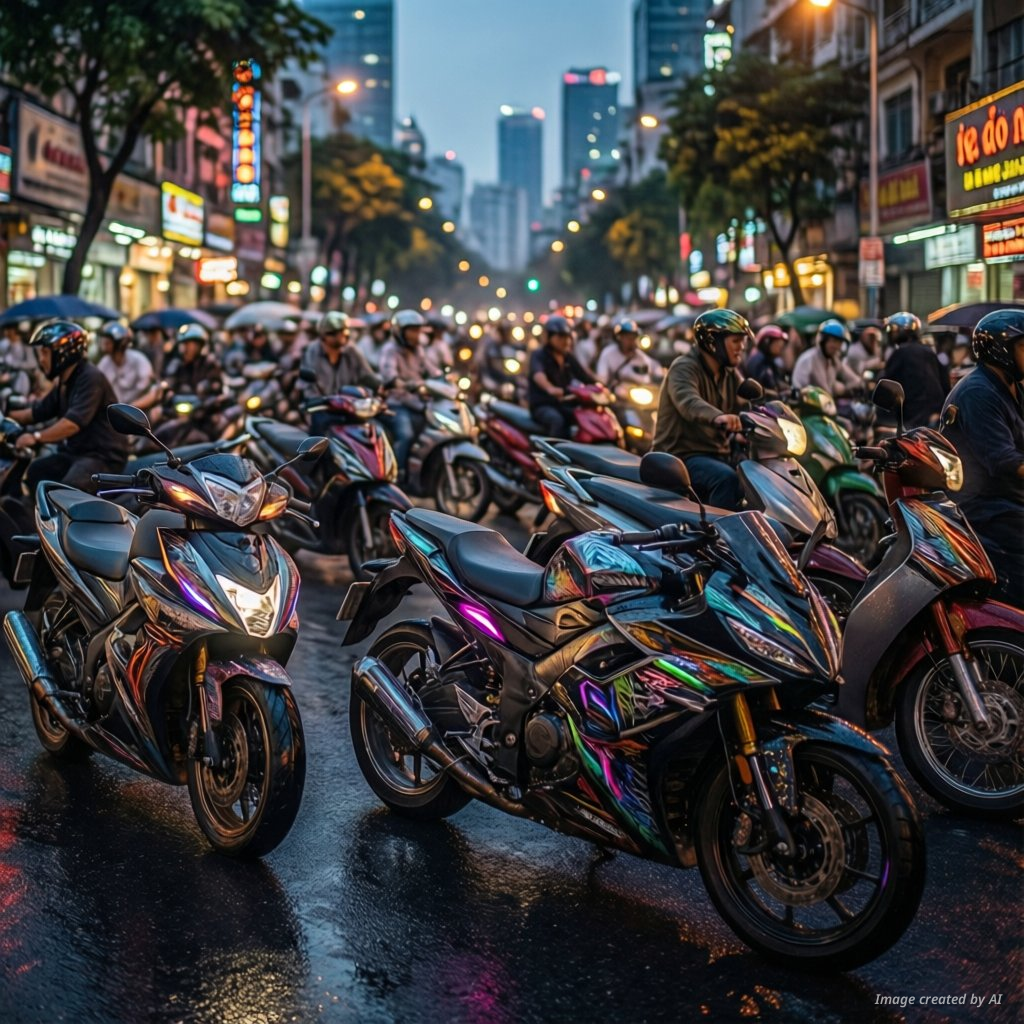
Vehicle modification is more than just a hobby; it is a profound expression of identity. In Vietnam, this concept is known as “xe độ,” where every part is carefully selected to showcase the owner’s unique style [1].
From the bustling streets of Hanoi to the modern thoroughfares of Ho Chi Minh City, the influence of personalization is evident. Motorcycles and scooters serve as canvases for enthusiasts who wish to express their creativity.
The art of xe độ in Vietnam
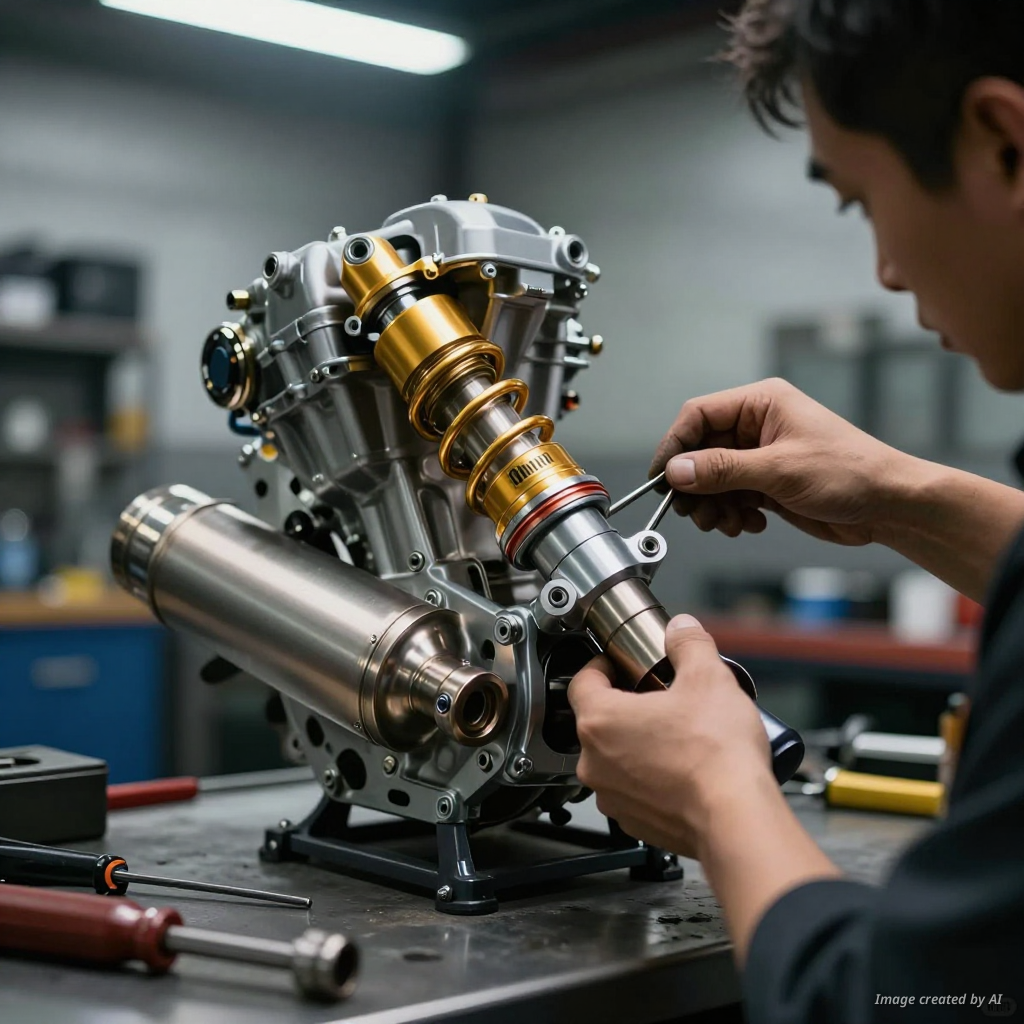
“Xe độ” refers to the act of repairing or modifying a vehicle to enhance its appearance or performance. In this country, popular models like the Honda Wave and Yamaha Exciter often undergo significant modifications [2].
Local enthusiasts use well-known brands such as Brembo and Ohlins. Choosing these expensive parts is a symbol of social status and dedication to their passion. Beyond performance, cosmetic upgrades like custom decals and wraps are also popular among the youth.
Due to the relaxation of certain inspection rules, owners have become more free to experiment with their vehicles. However, safety remains the priority in every modification made.
Challenges in regulation and inspection
Although modifying is enjoyable, owners must comply with the strict laws of the Vietnam Register, or “Đăng kiểm.” Any change that deviates from the manufacturer’s original specifications can lead to failure during inspection [3].
Many car owners experience anxiety whenever the time for periodic inspection approaches. They are required to return their vehicles to “stock condition” to pass the tests [4]. This is a challenge that pushes modifiers to be more cautious with their changes.
In the Philippines, there are similar guidelines from the LTO that motorists must also follow [5]. Understanding modification rules is essential to avoid any inconvenience on the road.
Cultural differences between the Philippines and Vietnam
Although the countries are different, both have vibrant communities of vehicle enthusiasts. In the Philippines, the “Thai look” and “off-road build” are popular for pickup trucks and SUVs. In Vietnam, the focus is more on high-end part swaps and clean tuning for scooters.
The big bike market in the Philippines also continues to grow, showing similarities to the Vietnamese passion for high-performance engines. The appreciation for uniqueness is what binds these communities together.
Understanding the impact of urbanization on vehicle choice also helps explain why many prefer compact vehicles that are easy to modify. Each modification is a story of the owner’s journey.
The future of personalization
Over time, trends in vehicle modification are expected to evolve. Technology plays a major role in shaping the future of “xe độ.” From ECU remapping to smart diagnostic tools, the modification process is becoming more technical.
Enthusiasts will continue to find ways to make their vehicles more personal. The key is balancing personal style with compliance with traffic laws. Being responsible on the road is also part of being a true vehicle enthusiast.
More Information
- Xe độ: A Vietnamese term referring to vehicles that have undergone modification, ranging from replacing parts for performance to cosmetic upgrades for aesthetics.
- Đăng kiểm: The official vehicle inspection system in Vietnam that enforces strict standards for safety and the originality of a vehicle’s technical specifications.
- LTO: The Land Transportation Office in the Philippines, which sets the laws and regulations for the registration and modification of motor vehicles in the country.
- Stock condition: The state of a vehicle where all parts and settings are according to the original design and specifications of the manufacturer, which is required for inspections.
- Personalization: The process of changing the appearance or capabilities of a vehicle to reflect the personality, lifestyle, and preferences of its owner.
Related Posts
-
 Uncategorized
Factors driving consumers toward electric vehicles
Read more →Currently, the transportation landscape in the Philippines is changing rapidly. Many consumers are beginning to shift from traditional gasoline-powered vehicles…
-
 Uncategorized
Why the use of electric vehicles is growing rapidly among consumers today
Read more →Currently, many of us Filipinos are beginning to change our perspective when it comes to choosing a vehicle. The rise…
-
Uncategorized
OTA updates for smart massage chair systems
Read more →Driving for long hours causes extreme physical fatigue. For drivers, having a smart massage chair is a significant help. These…