The circular electric vehicle battery supply chain from mining to recycling
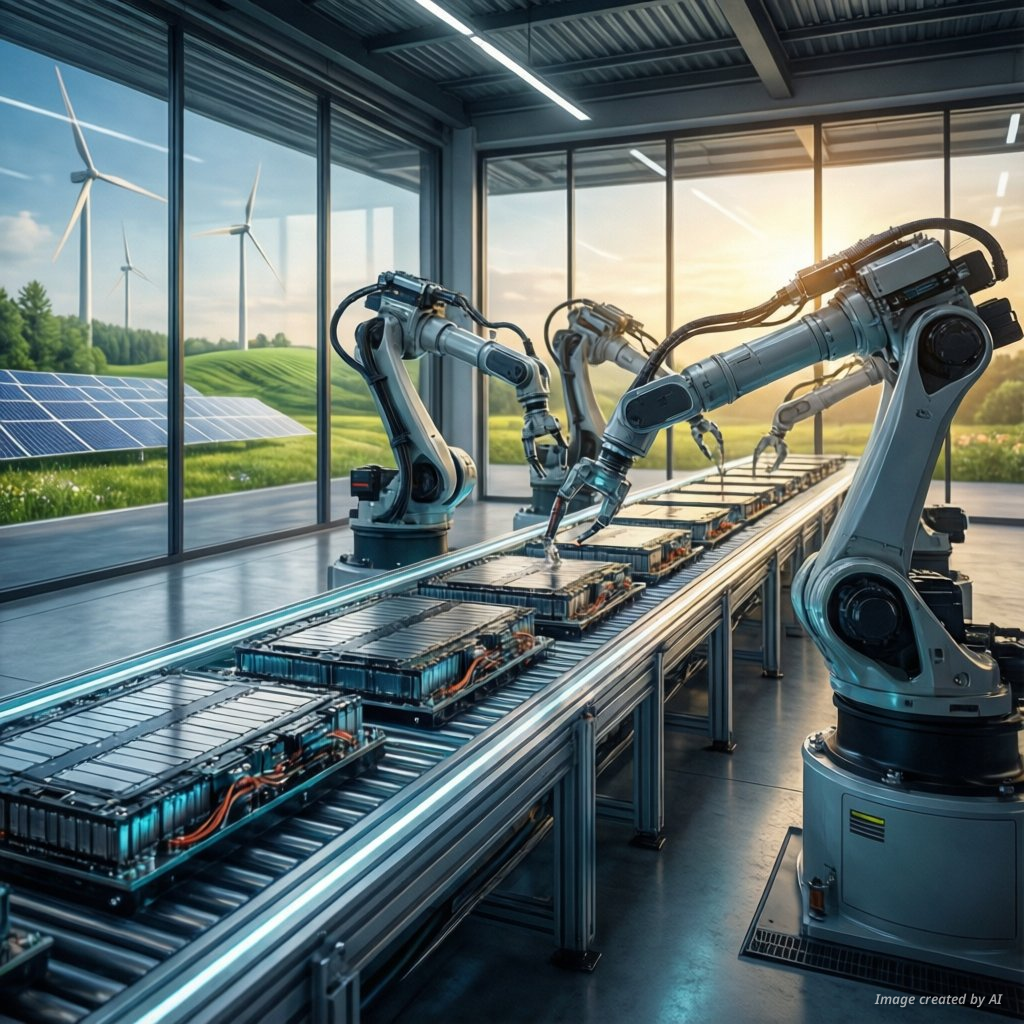
The shift to clean energy is causing a major transformation in the global transportation industry. Electric vehicles (EVs) are at the center of this transition, and batteries are their most critical component. For supply chain managers, understanding the life cycle of these batteries is critical to operational success.[3]
In the Philippines, building a circular supply chain is not just an option but a strategic necessity. The country has significant potential due to its abundance of critical minerals required for battery production.[2]
The role of the Philippines in critical mineral mining
The Philippines is one of the world’s primary nickel producers. This mineral is essential for manufacturing the lithium-ion batteries used in modern vehicles.[3] Companies such as Nickel Asia Corporation are leading the extraction of these raw materials from mines in Palawan and Surigao.
However, the challenge for analysts is transitioning from simply exporting raw ore to higher levels of processing. By strengthening the local EV industry, the value of our natural resources can be significantly increased.
Processing and HPAL technology
High-Pressure Acid Leach (HPAL) is the game-changing technology. It allows for the processing of low-grade limonite ore into Mixed Hydroxide Precipitate (MHP). MHP serves as an intermediate material for battery-grade nickel and cobalt sulfate.[2]
Plants like the Coral Bay Nickel Corporation demonstrate the country’s capability in downstream processing. For supply chain managers, having such facilities reduces logistics risks and accelerates production.
The impact of legislation on the EV industry
The passage of Republic Act No. 11697, or the Electric Vehicle Industry Development Act (EVIDA), has set the foundation for the sector’s growth.[1] This law provides clear direction for investors and local businesses.
Its provisions include the development of the Comprehensive Roadmap for the Electric Vehicle Industry (CREVI). This aims to facilitate the transition toward cleaner transportation in the country.[1]
Second-life applications and the circular economy
EV batteries do not immediately become waste once their capacity drops to 70-80%. They can still be used in Stationary Energy Storage Systems (BESS). The use of second-life electric vehicle batteries in energy storage systems helps stabilize the grid using renewable energy.
This is a vital component of the circular economy. Instead of being discarded, batteries find a new purpose, extending their useful life.[3]
Recycling and the future of black mass recovery
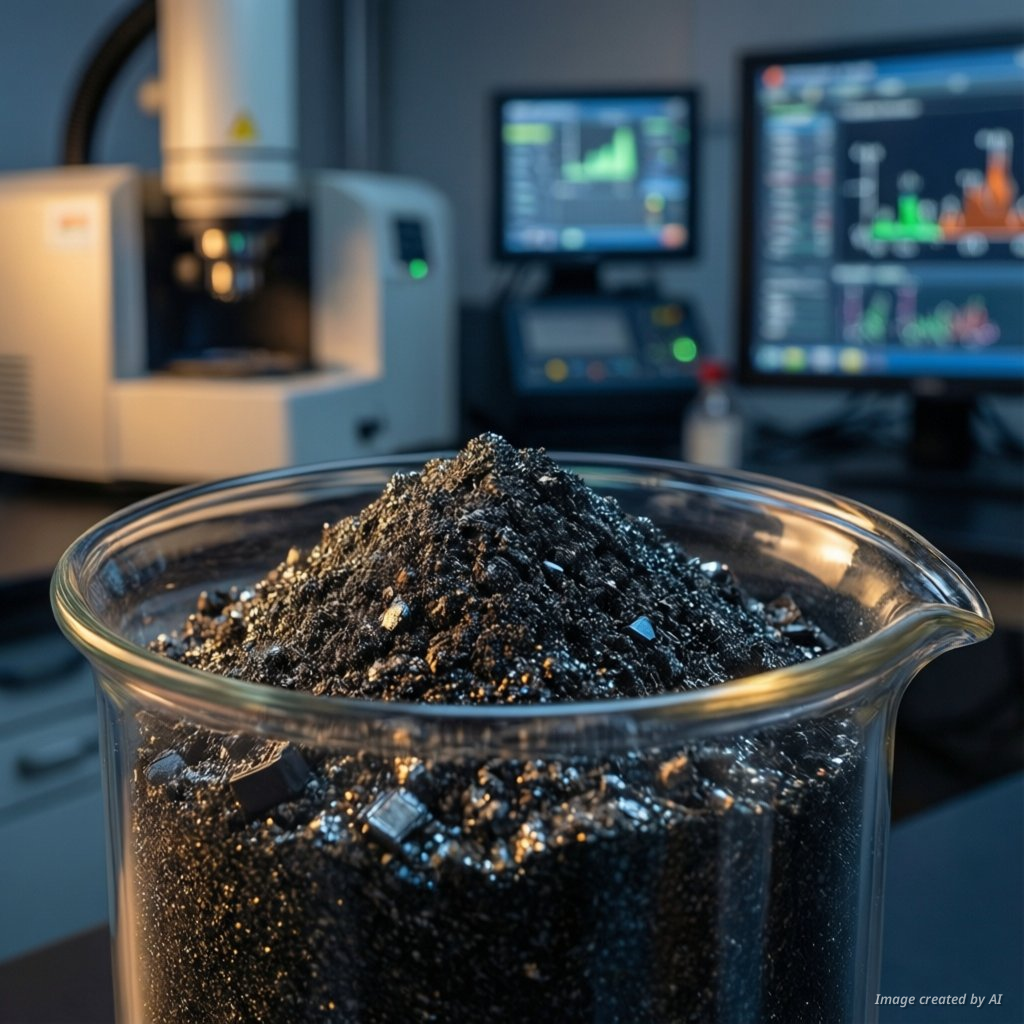
Recycling is the final part of the circular supply chain. The process of extracting “black mass” from old batteries enables the recovery of valuable metals such as lithium, cobalt, and manganese.[3]
Although there is no large-scale commercial facility for this in the Philippines yet, recycling critical metals from electric vehicle batteries and its challenges represent a major opportunity for new businesses. Closed-loop recycling will reduce the need for new mining in the future.
Challenges and opportunities for analysts
Supply chain analysts must be prepared for energy and technology challenges. High electricity costs are one of the main barriers to building gigafactories in the country.[2]
However, the use of renewable energy at mining sites offers a solution. Implementing strict ESG standards will also help attract foreign direct investments.[3]
Conclusion
Building a circular supply chain for EV batteries is a complex process that requires collaboration between the government and the private sector. From mining to recycling, every stage plays a crucial role in achieving sustainability.[1]
Through the right policies and innovation, the Philippines has the capacity to become a leader in the regional EV market. Supply chain managers hold the key to enabling this system for a more prosperous and cleaner future.[2]
More Information
- EVIDA (Republic Act No. 11697): A Philippine law that establishes policies for the development of the electric vehicle industry and promotes a circular economy in transportation.
- HPAL (High-Pressure Acid Leach): An advanced mineral processing technology used to extract nickel and cobalt from low-grade ore for batteries.
- Circular supply chain: A production and consumption model that aims to extend the life of materials through reuse, repair, and recycling.
- Black mass: The term for the material obtained after crushing used batteries, which contains valuable metals such as lithium, nickel, and cobalt.
- Second-life battery: EV batteries that are no longer suitable for vehicles but can still be used in stationary energy storage systems for grid support.
Related Posts
-
 Uncategorized
Factors driving consumers toward electric vehicles
Read more →Currently, the transportation landscape in the Philippines is changing rapidly. Many consumers are beginning to shift from traditional gasoline-powered vehicles…
-
 Uncategorized
Why the use of electric vehicles is growing rapidly among consumers today
Read more →Currently, many of us Filipinos are beginning to change our perspective when it comes to choosing a vehicle. The rise…
-
Uncategorized
OTA updates for smart massage chair systems
Read more →Driving for long hours causes extreme physical fatigue. For drivers, having a smart massage chair is a significant help. These…