
Sensor technology and active safety in vehicles in the Philippines

The automotive industry in the Philippines is currently undergoing a significant transformation. Modern vehicles are no longer just modes of transportation; they are becoming smart devices on the road. The development of sensor and active safety technology is providing a safer experience for drivers and passengers alike.
Parts manufacturers play a crucial role in the proliferation of these systems. Through Advanced Driver Assistance Systems (ADAS), it is easier to prevent accidents caused by human error. These technologies are becoming standard in many new models sold in the country.
The importance of active safety on the road
Active safety refers to technologies that function before a collision occurs. Unlike passive safety features like seatbelts and airbags, active systems act automatically to prevent hazards. The ASEAN NCAP standards [3] place great emphasis on these technologies to improve motorist safety in the region.
On the busy roads of Metro Manila, sensors serve as an extra pair of eyes for the driver. The use of millimeter-wave radar provides the ability to detect vehicles ahead even in poor weather conditions. These systems are essential for manufacturers aiming to keep up with global safety standards.
Types of sensors that power ADAS
Developing vehicles with ADAS requires various types of sensors working in tandem. Each sensor has a specific function to ensure the safety of everyone on the road. Here are the main technologies used in modern vehicles today:
- Millimeter-wave radar: Used for adaptive cruise control and pre-collision systems [1].
- Monocular cameras: Highly effective at detecting road markings and pedestrians.
- Ultrasonic sensors: Commonly found on bumpers for parking assistance and low-speed braking.
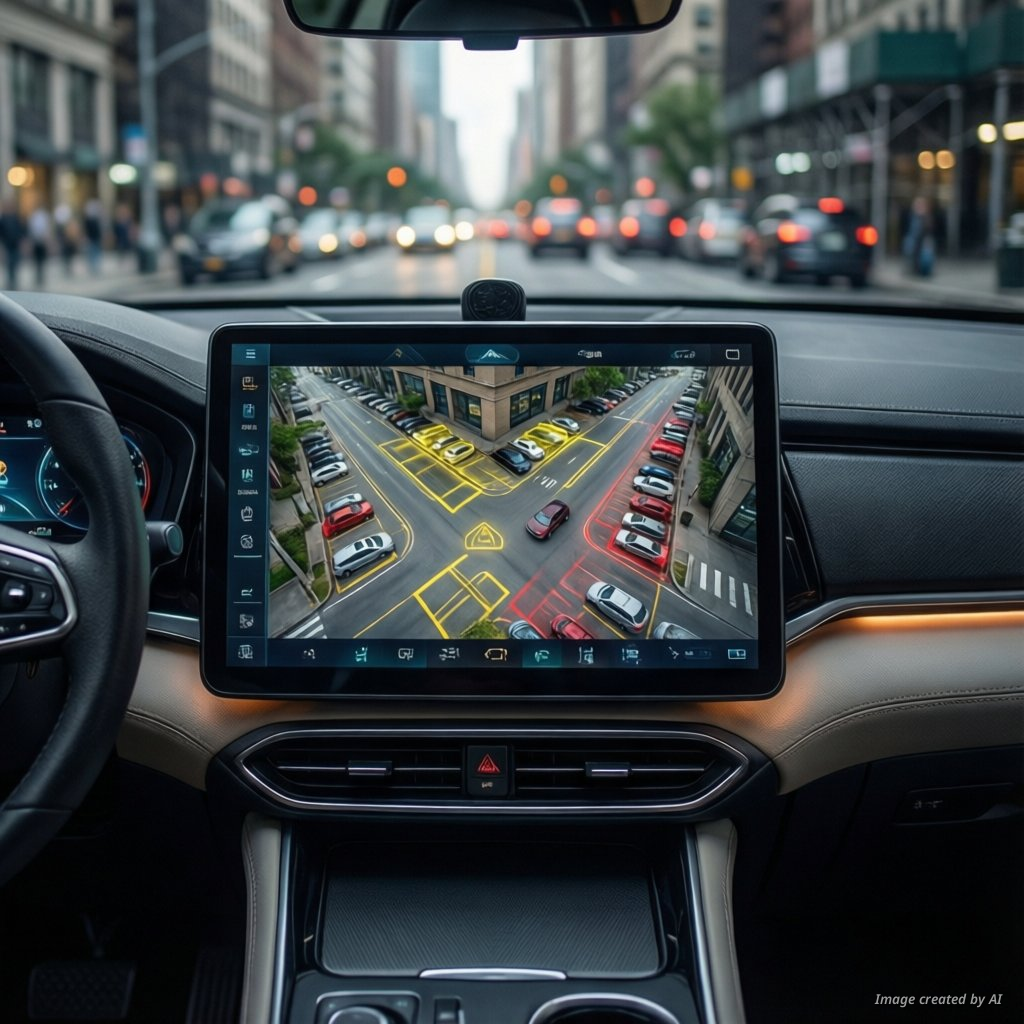
- 360-degree cameras: Provide a bird’s-eye view to eliminate blind spots while driving or parking [2].
Toyota Safety Sense and market innovation
Toyota Safety Sense [1] is one of the leading examples of active safety in the Philippines. Using a combination of cameras and radar, it can apply the brakes if there is a risk of collision. This technology demonstrates how manufacturers combine hardware and software for passenger protection.
Beyond braking, lane tracing assist helps keep the vehicle in the correct lane. This is particularly useful for long trips on expressways like SLEX or NLEX. Such innovations reduce driver fatigue and increase confidence in the vehicle.
Nissan Intelligent Mobility and 360-degree protection
Nissan Intelligent Mobility [2] focuses on providing complete situational awareness. Their Intelligent Around View Monitor provides a 360-degree view with moving object detection. This is a significant help in the tight parking spaces of malls in the Philippines.
These features are not just for luxury but for genuine safety. Through blind spot warning, the risk of accidents when changing lanes is reduced. Parts manufacturers must continue to invest in this type of integrated technology.
The future of automotive manufacturing in the Philippines
As the demand for smart cars continues to rise, local manufacturers must adapt. Understanding the impact of urbanization on vehicle choice in the Philippines [4] is vital to developing the right solutions. Vehicles with ADAS will become the benchmark for consumer choice in the future.
Suppliers of sensors and electronic components have a great opportunity here. Collaboration with global brands will open doors for the local production of advanced safety parts. This will not only help the economy but also improve the quality of vehicles on our roads.
Challenges and opportunities in implementation
Although the technology is impressive, there are still challenges in implementing it locally. Road conditions and the lack of clear road markings can affect the performance of camera sensors. However, continuous infrastructure upgrades are keeping pace with technological advancements.
Consumer education is also a critical aspect. Many drivers still do not fully understand the difference between active and passive safety. Manufacturers must be proactive in explaining how these systems work so that users can better appreciate their vehicles.
Conclusion
Sensor and active safety technology is no longer just an option but a necessity. With the help of innovations like radar, cameras, and sonar, our journeys are becoming safer. Parts manufacturers play an essential role in shaping the future of the automotive industry in the Philippines.
By adhering to global standards and continuously studying the needs of the local market, safety on our roads can be further improved. Every sensor installed in a vehicle is a step toward safer and smarter driving.
More Information
- Toyota Safety Sense: A suite of advanced safety features that uses cameras and radar to prevent collisions and assist the driver in lane keeping.
- Nissan Intelligent Mobility: A technological concept aimed at making driving safer and more connected through 360-degree monitoring and emergency braking systems.
- ASEAN NCAP: The New Car Assessment Program for Southeast Asian countries that sets standards for vehicle safety in the region.
- ADAS (Advanced Driver Assistance Systems): Electronic systems in vehicles that assist the driver in the driving process to increase safety and reduce accidents.
- Active Safety: Technologies designed to prevent accidents before they happen, such as automatic emergency braking and lane keep assist.
Related Posts
-
 Uncategorized
Factors driving consumers toward electric vehicles
Read more →Currently, the transportation landscape in the Philippines is changing rapidly. Many consumers are beginning to shift from traditional gasoline-powered vehicles…
-
 Uncategorized
Why the use of electric vehicles is growing rapidly among consumers today
Read more →Currently, many of us Filipinos are beginning to change our perspective when it comes to choosing a vehicle. The rise…
-
Uncategorized
OTA updates for smart massage chair systems
Read more →Driving for long hours causes extreme physical fatigue. For drivers, having a smart massage chair is a significant help. These…