
Recycling critical metals from electric vehicle batteries and its challenges
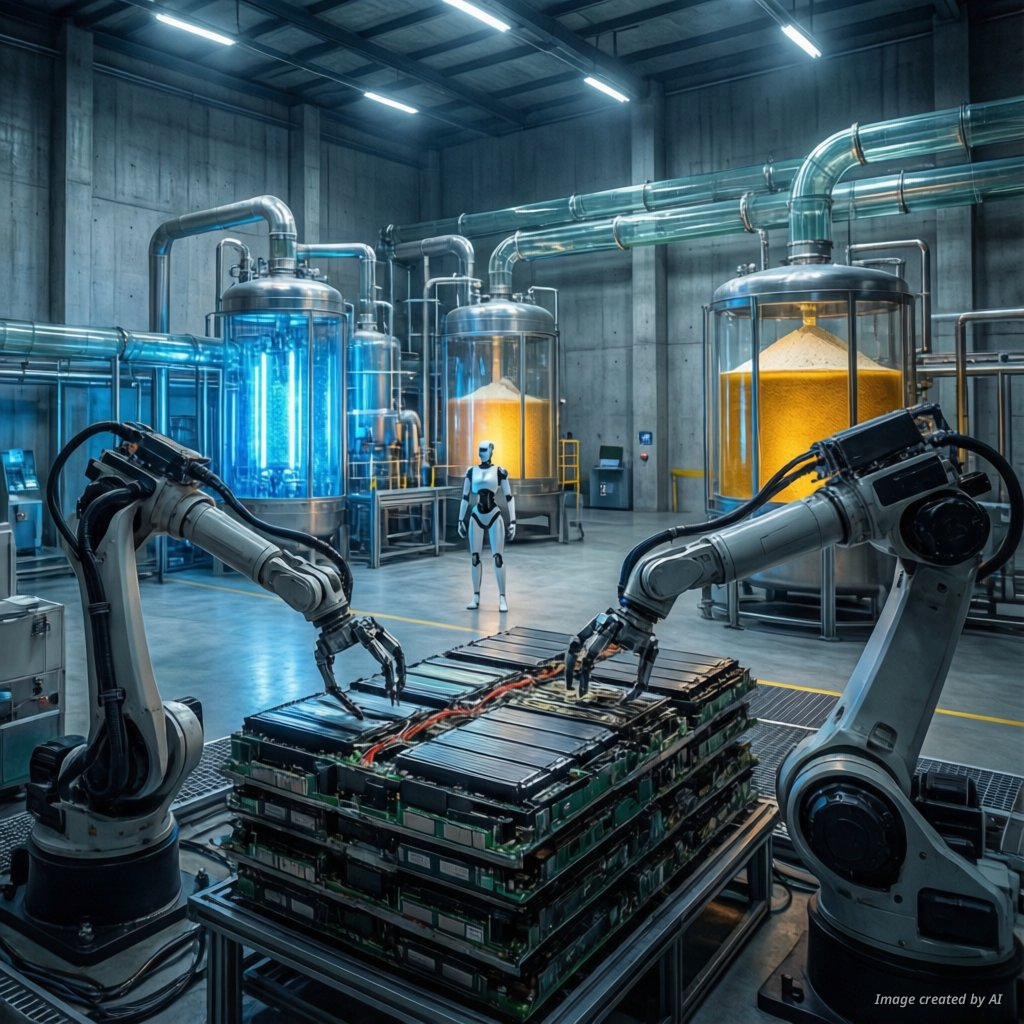
The rapid growth of the electric vehicle (EV) industry worldwide is creating a massive demand for critical minerals. Lithium-ion batteries contain valuable metals such as nickel, cobalt, lithium, and manganese [1]. Because of this, recycling is becoming a strategic step to ensure supply chain security and promote a circular economy [3].
For companies in the Philippines and investors, understanding these technologies is essential. The transition to clean energy requires more effective management of batteries nearing the end of their life [2]. Studying new recycling technologies will open up market opportunities.
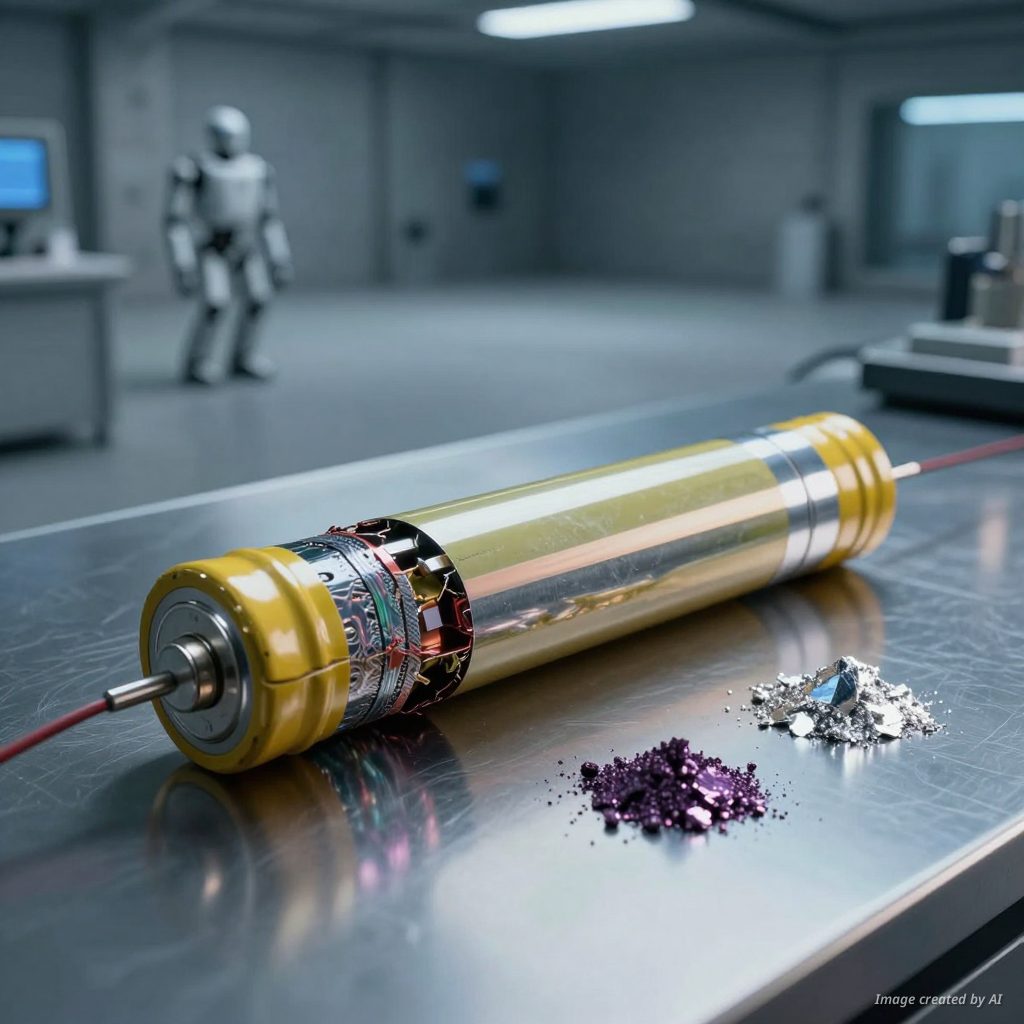
Innovative recycling technologies
There are three primary methods currently used to extract metals from used batteries. Each has its own advantages and limitations for investors.
Hydrometallurgy or aqueous extraction
This process uses chemical solutions to dissolve and separate metals from “black mass” [1]. It is considered the most effective method due to its high recovery rate for lithium and nickel. Furthermore, it has a lower carbon footprint compared to other thermal methods.
Pyrometallurgy or smelting
This is a traditional method that uses extremely high temperatures to melt batteries. Although effective in extracting cobalt and nickel, lithium is often lost in the process [3]. High energy consumption is also a major challenge for facilities in the country.
Direct recycling
Direct recycling focuses on maintaining the chemical structure of the cathode. Through re-lithiation, materials can be reused without needing to melt the entire battery [2]. This is a promising technology that requires less energy.
The situation of the Philippines in the battery sector
The Philippines has significant potential to grow the EV industry due to its abundance of nickel ore [4]. Currently, the country processes nickel-cobalt mixed sulfide through HPAL plants. These steps are supported by electric vehicles and government incentives in the Philippines.
However, building a commercial facility for EV battery recycling faces obstacles. Adding value to the nickel sector must include developing local recycling capabilities.
Challenges for investors and companies
Entering the recycling business is not easy due to the following reasons:
- Lack of facilities: There is no large-scale hydrometallurgical plant in the country dedicated to EV batteries [2].
- High energy costs: Plant operations require stable and affordable electricity, which is a challenge in the local market [4].
- Logistics and geography: Collecting batteries from various islands increases transportation costs.
- Battery volume: Currently, the number of end-of-life batteries is still low, making it difficult to reach economies of scale [2].
Companies must also be cautious of health and environmental risks. Improper handling of batteries can cause thermal runaway or the leakage of toxic chemicals [5]. Adhering to the circular economy for electric vehicle batteries: recycling and reuse strategy will help mitigate these risks.
The role of policy and regulation
Republic Act No. 11697, or the Electric Vehicle Industry Development Act (E-VIDA), provides a framework for the development of the sector [2]. Investors must comply with DENR-EMB standards regarding e-waste management. Strengthening Extended Producer Responsibility (EPR) is expected to be key to implementing these programs in the future.
Despite the challenges, the future of battery recycling in the Philippines remains positive. Collaboration between the government and the private sector is essential to build a robust ecosystem. Companies that invest early in this technology will have a significant advantage over time.
More Information
- Hydrometallurgy: A process of extracting metals from batteries using chemical solutions, providing a high recovery rate for valuable minerals [1].
- E-VIDA (RA 11697): The Philippine law that sets regulations and incentives for the development of the electric vehicle industry and the management of its batteries [2].
- Pyrometallurgy: A thermal process of melting batteries at very high temperatures to extract metal alloys, though it has high energy consumption [3].
- Nickel ore: A critical mineral abundant in the Philippines, which serves as a primary ingredient in making cathodes for electric vehicle batteries [4].
- Thermal runaway: A dangerous condition in batteries where excessive heat leads to fire or explosion, requiring careful handling [5].
Related Posts
-
 Uncategorized
Factors driving consumers toward electric vehicles
Read more →Currently, the transportation landscape in the Philippines is changing rapidly. Many consumers are beginning to shift from traditional gasoline-powered vehicles…
-
 Uncategorized
Why the use of electric vehicles is growing rapidly among consumers today
Read more →Currently, many of us Filipinos are beginning to change our perspective when it comes to choosing a vehicle. The rise…
-
Uncategorized
OTA updates for smart massage chair systems
Read more →Driving for long hours causes extreme physical fatigue. For drivers, having a smart massage chair is a significant help. These…