
Investing in electric vehicle battery recycling infrastructure: opportunities and challenges
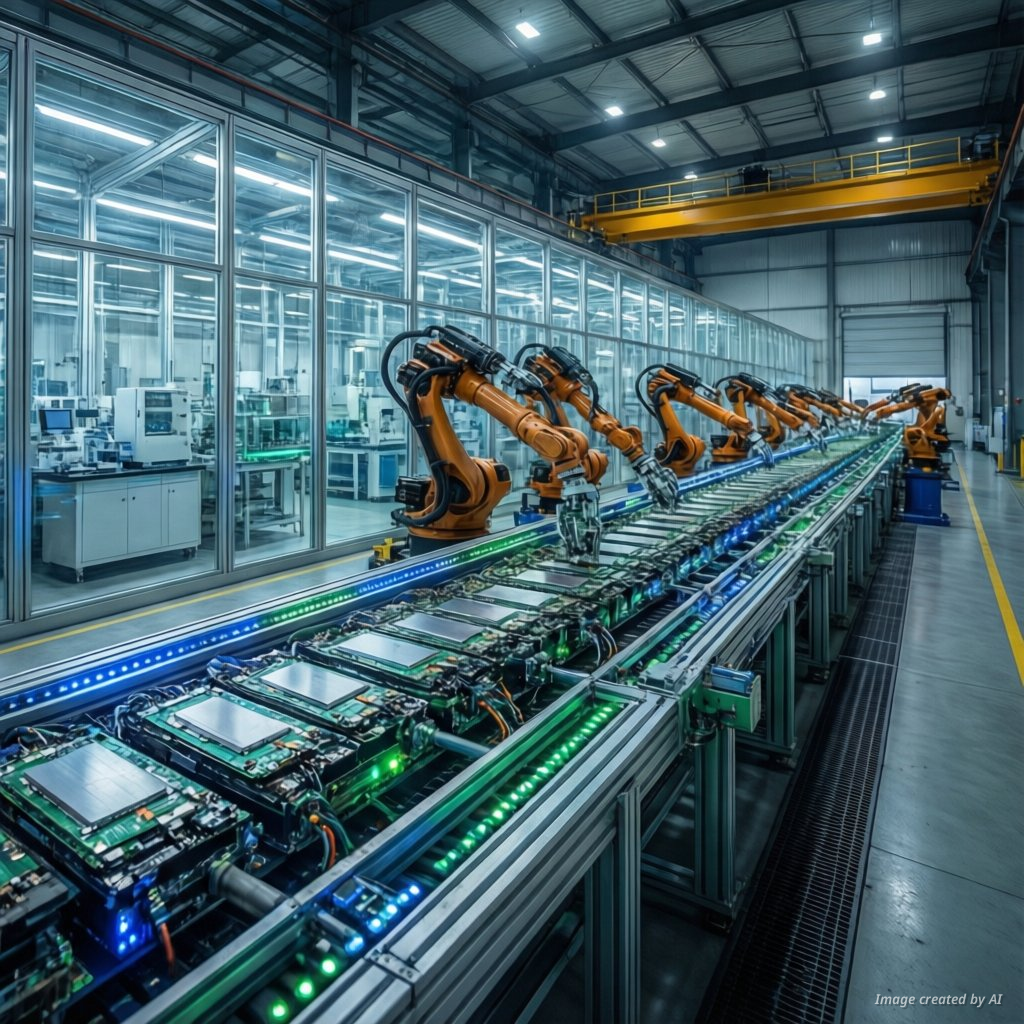
The rapid growth of the electric vehicle (EV) industry in the Philippines is opening new doors for investors. With the passage of Republic Act No. 11697, or the Electric Vehicle Industry Development Act (EVIDA), the adoption of electric vehicles in the country has been accelerated [1]. However, the increase in EVs also requires a proper system for batteries that are reaching the end of their life cycle.
Establishing infrastructure for battery recycling is not just an environmental necessity. It is a strategic move to support the growing EV market in the country [2]. Recycling provides an opportunity to recover valuable minerals such as nickel and cobalt, which are needed to manufacture new batteries.
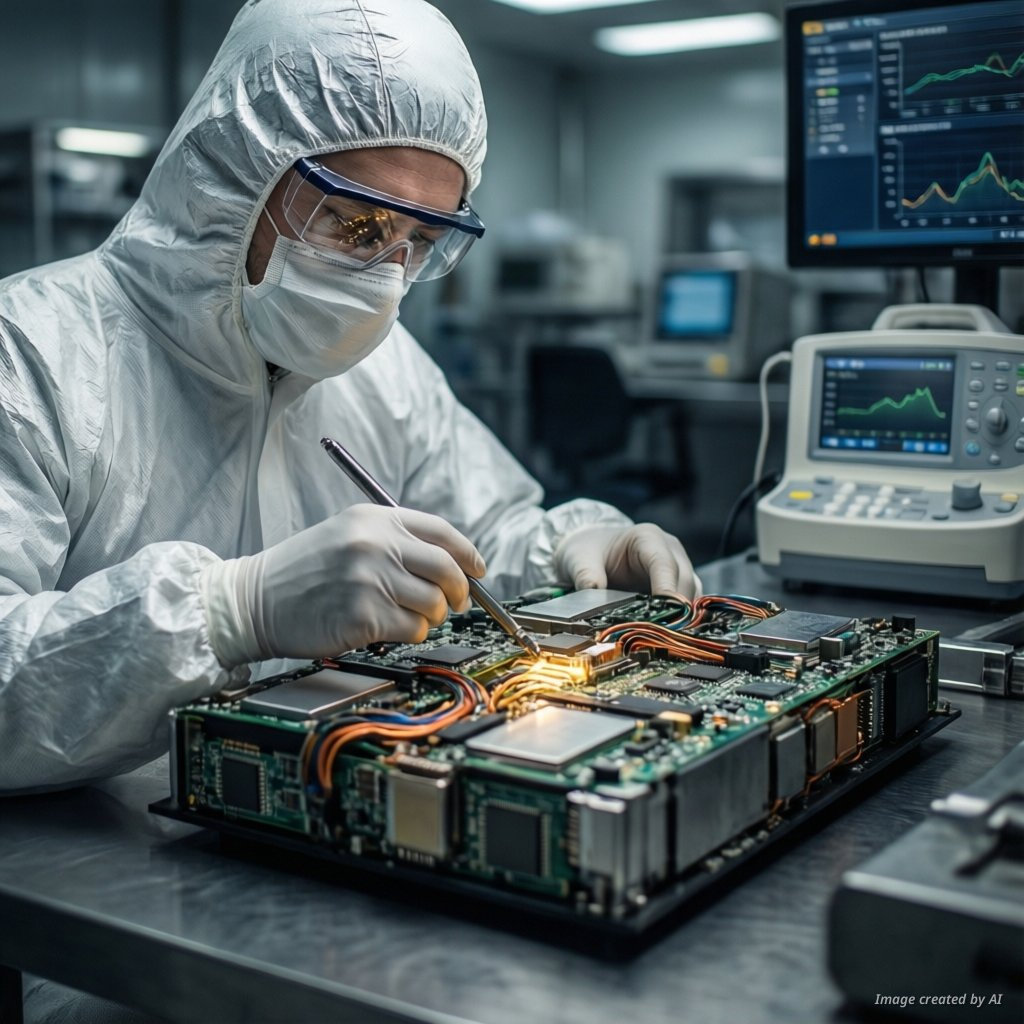
Opportunities in the recycling sector
The Philippines has significant potential due to its abundance of raw materials. As one of the primary exporters of nickel ore, the country is well-positioned to develop a closed-loop supply chain [3]. Battery recycling enables the local processing of these minerals.
Furthermore, the Board of Investments (BOI) offers incentives for projects related to green technology [4]. These fiscal and non-fiscal incentives are a great help for investors who want to enter the recycling industry. You can also read about the development of the recycled materials market for electric vehicles in the Philippines to better understand the ecosystem.
Potential for second-life applications
Before the complete chemical recycling process, batteries can still be used in other ways. Batteries that still have 70-80% capacity are ideal for stationary energy storage systems [5]. This is particularly beneficial for remote islands in the Philippines that require a reliable power supply. The use of second-life electric vehicle batteries in energy storage systems is a smart solution for off-grid communities.
Key challenges in the industry
Despite the opportunities, investors face several challenges. High capital expenditure (CapEx) is one of the main obstacles. Building advanced recycling plants requires significant investment and sophisticated technology, which is currently lacking in the country.
Logistics is also a major issue in an archipelago like the Philippines. Transporting used batteries from various regions to a centralized facility is costly and dangerous. Lithium-ion batteries are considered hazardous waste, requiring strict compliance with DENR-EMB guidelines for transport and storage.
Importance of a national framework
To be successful, a clear policy for Extended Producer Responsibility (EPR) is needed. Manufacturers and importers should be obligated to take back old batteries from consumers. Having a proper collection system will ensure that hazardous waste does not end up in landfills.
The government must also implement safety standards for workers in recycling plants. Studying safe and effective lithium-ion battery recycling technology will help in drafting local regulations. Through the cooperation of the government and the private sector, this challenge can be turned into a stable foundation for the economy.
Conclusion
Investing in EV battery recycling infrastructure is a crucial step toward a cleaner and more progressive Philippines. Although there are challenges in logistics and capital, government incentives and the growing demand for raw materials point toward a bright future. Investors who start now have the opportunity to lead in shaping the country’s circular economy.
More Information
- EVIDA Law: Republic Act No. 11697, which aims to provide a comprehensive framework for the development of the electric vehicle industry in the Philippines, including incentives for investors.
- Circular economy: An economic system that aims to reduce waste and reuse materials through recycling and repair, which is essential for battery production.
- Lithium-ion battery: The primary type of battery used in electric vehicles that requires a special recycling process due to its chemical components.
- Second-life application: The use of EV batteries that are no longer sufficient for vehicles but can still serve as energy storage for homes or solar power plants.
- Hazardous waste logistics: The process of safely transporting and disposing of hazardous materials, such as used batteries, in accordance with government regulations.
Related Posts
-
 Uncategorized
Factors driving consumers toward electric vehicles
Read more →Currently, the transportation landscape in the Philippines is changing rapidly. Many consumers are beginning to shift from traditional gasoline-powered vehicles…
-
 Uncategorized
Why the use of electric vehicles is growing rapidly among consumers today
Read more →Currently, many of us Filipinos are beginning to change our perspective when it comes to choosing a vehicle. The rise…
-
Uncategorized
OTA updates for smart massage chair systems
Read more →Driving for long hours causes extreme physical fatigue. For drivers, having a smart massage chair is a significant help. These…