
Blockchain integration for transparent and secure electric vehicle data
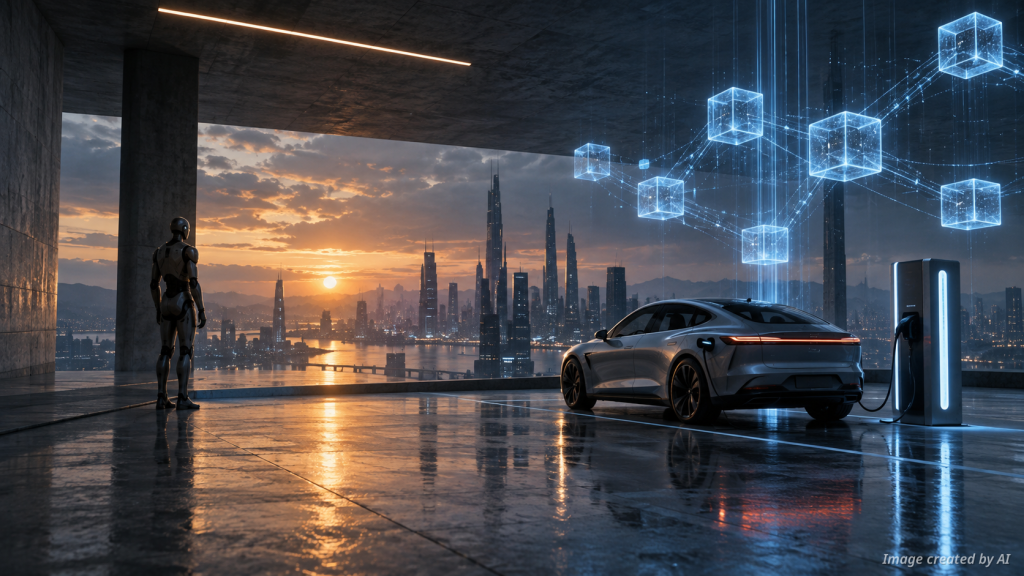
The rise of electric vehicle (EV) technology is driving a major transformation in transportation. As blockchain experts, we see the immense potential of this technology in improving data integrity [3]. Integrating blockchain with EVs is not just about modernization, but about ensuring security.
Currently, data such as battery history and vehicle maintenance are often scattered across various servers. The decentralized nature of blockchain provides a solution for a more secure and transparent system [1]. Every transaction and piece of information is recorded in a way that cannot be altered.
The importance of data integrity in electric vehicles
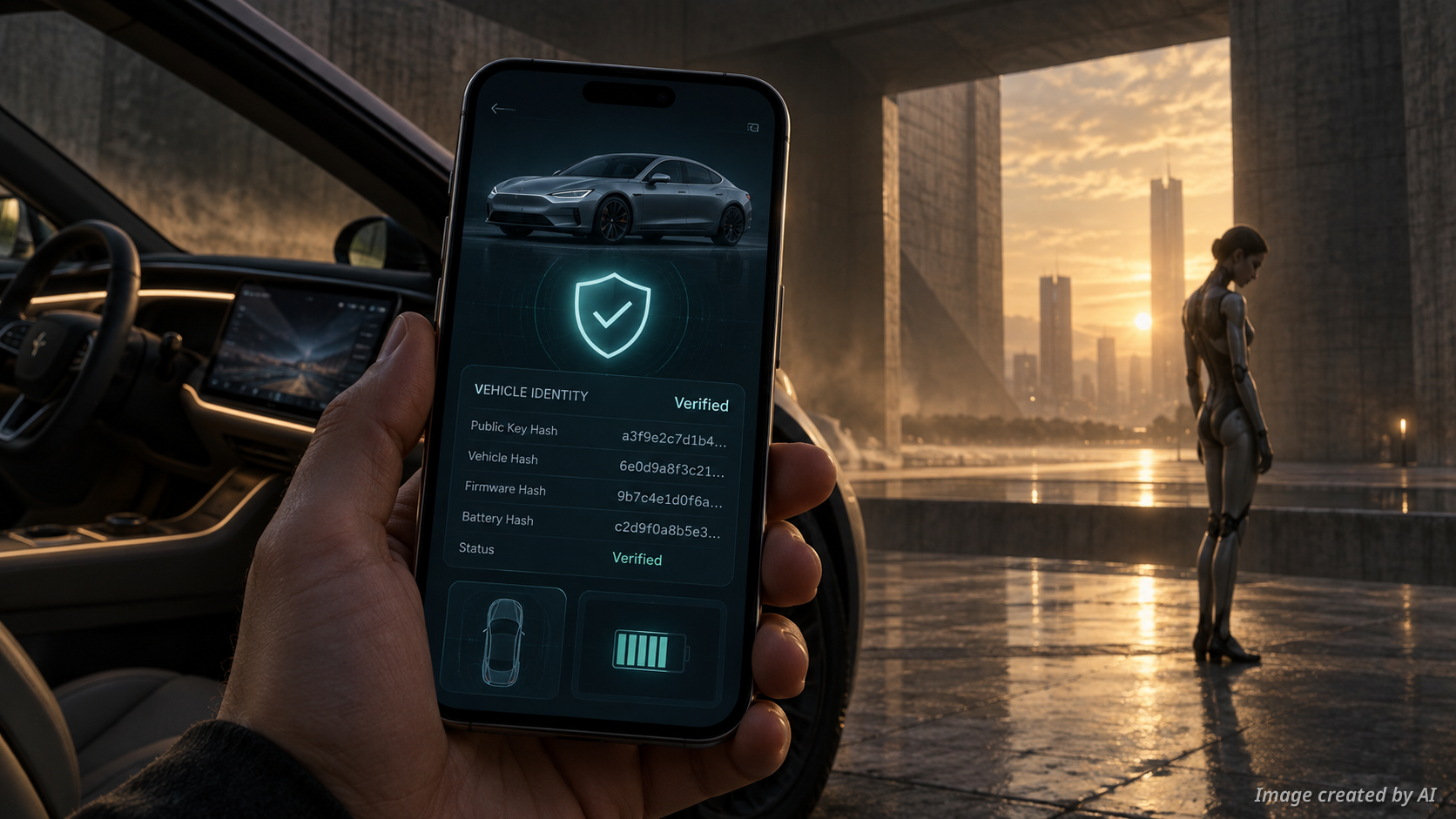
Consumer trust relies on the accuracy of vehicle information. Through blockchain, every part of the vehicle has a digital footprint [5]. This prevents any manipulation of the odometer or the vehicle’s damage history.
The use of cryptographic hashing ensures that every record is permanent [2]. Buyers of second-hand EVs no longer need to worry about fake documents. This transparency increases the resale value of vehicles in the market.
Strengthening security against cyber threats
Electric vehicles are connected to the internet and can easily become targets for hackers. Blockchain provides a robust layer of protection through distributed ledger technology [3]. Every communication between the EV and the charging station is securely verified.
Due to the immutable ledger, network attacks become difficult to execute [4]. Experts continue to look for ways to make this system more resilient. Smart anti-theft software for the protection of your electric vehicle is an important part of this ecosystem.
Challenges in technology implementation
While the concept is promising, there are challenges in scaling blockchain for millions of vehicles. Transaction speed or throughput must be improved to avoid delays [4]. Furthermore, interoperability between different EV brands is a critical aspect.
Unified industry standards are necessary for the success of this initiative. Governments and the private sector must work together to develop regulations [3]. The importance of renewable energy management software for electric vehicle charging stations should be considered in the planning process.
The future of transportation with blockchain
In the future, every EV will have its own digital identity. This technology will enable easier payments at charging stations without using physical credit cards. Automated identity verification will speed up the process.
Blockchain is not just a trend but a foundation for the next generation of transportation. As experts, it is our duty to guide the industry in the right direction. Maintaining security and transparency will be key to widespread public adoption.
More Information
- Blockchain: A decentralized data recording technology used to ensure security, transparency, and information integrity through blocks connected in a chain [1].
- Cryptographic hashing: A process of converting input data into a fixed-size string of characters, which serves as a digital fingerprint for data security [2].
- Distributed ledger technology: A system of recording information in multiple locations simultaneously, which eliminates the need for a centralized authority [3].
- Immutable ledger: A record of transactions that cannot be changed or deleted once written to the blockchain, providing a high level of trust [4].
- Digital identity: A unique representation of a physical asset or person in the digital world, allowing for secure verification of ownership [5].
Related Posts
-
 Uncategorized
Factors driving consumers toward electric vehicles
Read more →Currently, the transportation landscape in the Philippines is changing rapidly. Many consumers are beginning to shift from traditional gasoline-powered vehicles…
-
 Uncategorized
Why the use of electric vehicles is growing rapidly among consumers today
Read more →Currently, many of us Filipinos are beginning to change our perspective when it comes to choosing a vehicle. The rise…
-
Uncategorized
OTA updates for smart massage chair systems
Read more →Driving for long hours causes extreme physical fatigue. For drivers, having a smart massage chair is a significant help. These…