
AI voice recognition technology in electric vehicles for hands-free driving

Driving in heavy traffic is exhausting. For busy drivers, every second counts. Innovative AI voice recognition technology in electric vehicles (EVs) is changing the way we travel. It allows drivers to control the vehicle without taking their hands off the steering wheel.
This system uses artificial intelligence to understand human speech. Through simple commands, you can adjust the temperature or find a route [1]. This is a major step forward for road safety.
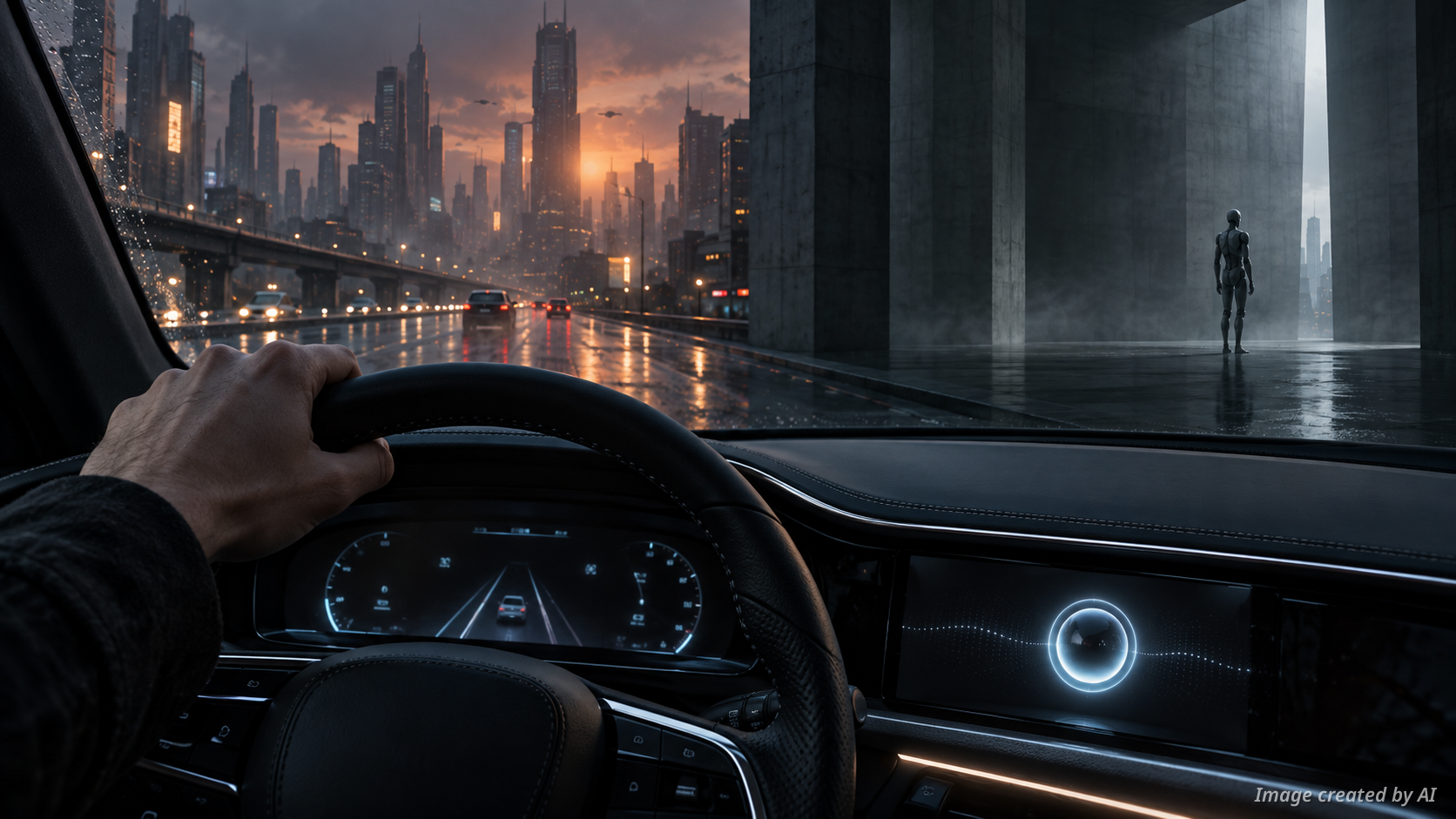
How hands-free technology works
ASR, or automatic speech recognition technology, is the brain behind this system. Sensors and microphones inside the vehicle listen to your voice. The AI then processes it to carry out the correct action [1]. You no longer need to press buttons on the screen.
Many modern vehicles now use AI assistants with personalities. For example, some smart dash cams come with an AI assistant that responds to your commands [2]. Using modern dash cams provides added security and entertainment while on the road.
Benefits for busy drivers
The primary goal of this technology is convenience. Drivers often need to make calls or navigate while driving. With the help of AI, you can state your destination without looking at a map [4]. This reduces distractions while on the road.
Beyond navigation, it also controls the entertainment system. You can play music or have messages read aloud via voice. Understanding EV features is essential for every modern driver [3]. A hands-free experience makes every trip more productive.
Safety and technology on the road
Safety is the most important aspect of driving. When your hands are on the wheel, you can respond more quickly to emergencies. AI voice control provides AI for route optimization for commercial electric vehicles, which is necessary for professional drivers. This technology continues to become more accurate in recognizing different languages and accents [5].
Electric buses in some countries are also using this system for passengers and drivers. It manages the climate and information inside the bus automatically [1]. Such innovations showcase the future of transportation.
The future of voice and artificial intelligence
As technology advances, communicating with our vehicles will become more natural. It will no longer be just simple commands, but an interactive experience. New vehicle models are constantly updating their software [4]. These updates improve the accuracy of voice recognition.
For people who are always on the go, the vehicle is becoming a mobile office. You can manage your schedule using your voice while stuck in traffic. The concept of the electric vehicle as a mobile multimedia entertainment hub is no longer just a dream. It is a reality we are experiencing today.
Tips for using voice control
- Ensure that commands are spoken clearly.
- Avoid loud noise inside the vehicle so the AI can listen more easily.
- Regularly update the vehicle’s software for better performance [4].
- Use the commands listed in your vehicle’s manual.
Technology is here to help us. By embracing AI, our lives become safer and easier. Do not be afraid to try these features on your next trip. Every smart tool aims to make our daily tasks run more smoothly [5].
More Information
- ASR (Automatic Speech Recognition): A technology that allows computers to recognize and process human speech and convert it into commands or text for easier device control.
- AI Assistant: Software that uses artificial intelligence to provide assistance to the user, such as answering questions, controlling settings, and providing reminders.
- Electric Vehicle (EV): Vehicles that use electricity instead of fossil fuels, known for being environment-friendly and utilizing advanced technologies for a better driving experience.
- Software Update: The process of improving a vehicle’s system by downloading new features or fixing errors to make functions faster and more accurate.
- Voice Recognition Accuracy: The level of proficiency of a system in understanding human speech, measured by how often it correctly interprets the user’s input.
Related Posts
-
 Uncategorized
Factors driving consumers toward electric vehicles
Read more →Currently, the transportation landscape in the Philippines is changing rapidly. Many consumers are beginning to shift from traditional gasoline-powered vehicles…
-
 Uncategorized
Why the use of electric vehicles is growing rapidly among consumers today
Read more →Currently, many of us Filipinos are beginning to change our perspective when it comes to choosing a vehicle. The rise…
-
Uncategorized
OTA updates for smart massage chair systems
Read more →Driving for long hours causes extreme physical fatigue. For drivers, having a smart massage chair is a significant help. These…