
AI in route optimization for commercial electric vehicles
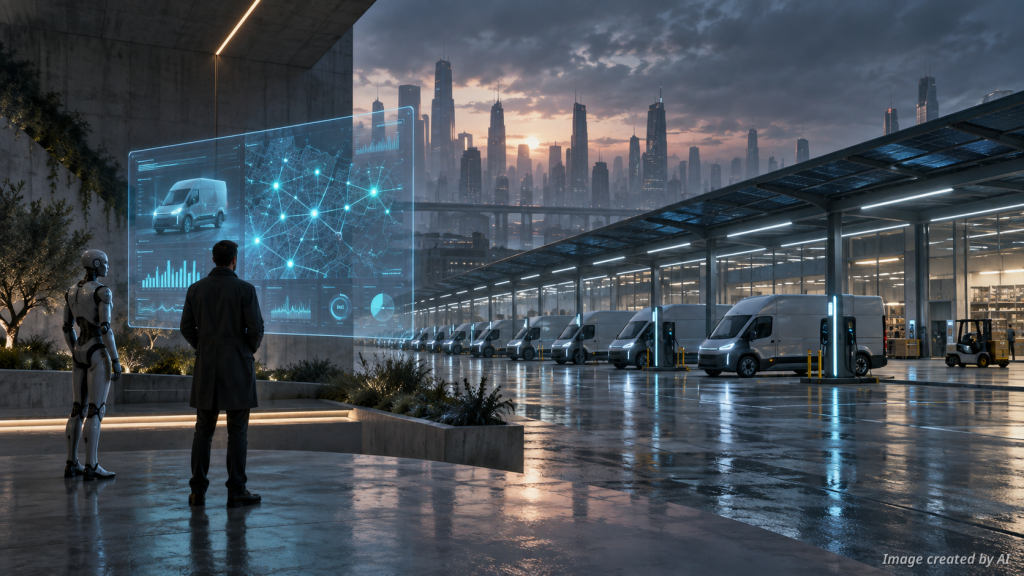
The logistics industry in the Philippines is rapidly changing due to digital transformation. The use of AI in route optimization for commercial electric vehicles (EVs) is becoming a crucial strategy for companies. This technology provides faster and more cost-effective delivery services [1].
Through advanced algorithms, AI determines the fastest routes from distribution centers to customers. This helps in reducing operational costs and improving overall supply chain efficiency [1]. The shift to electric vehicles requires intelligent planning to ensure that the vehicles do not run out of power while in transit.
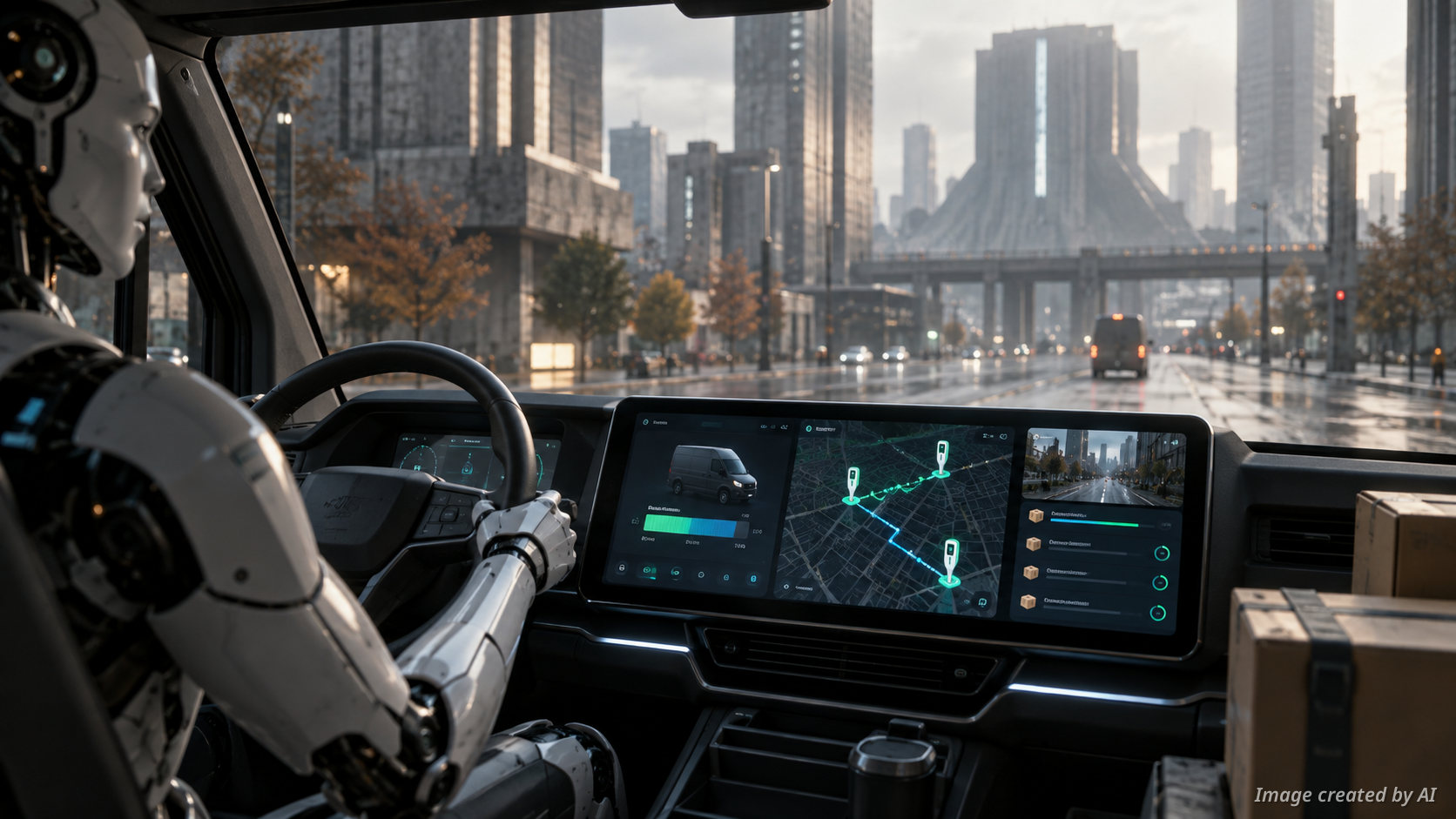
The role of AI in modern logistics
The use of AI is not just about speed. It is about understanding complex variables such as traffic and market demand. Companies are now using digital twins to simulate real-life operations [2]. This approach allows companies to test new routes in a virtual environment.
The role of the circular economy in manufacturing electric vehicle motors and parts in the Philippines is also vital in maintaining fleets. AI helps predict when vehicles require maintenance. As a result, the downtime of electric delivery vans is reduced [3].
Why AI is important for electric vehicles
Electric vehicles have a limited range compared to diesel vehicles. AI provides a solution by optimizing routes based on the location of charging stations [5]. In this way, companies can ensure that their drivers always have enough energy to return to base.
Furthermore, digital transformation lowers logistics costs, which are currently high in many developing countries [4]. The use of AI provides a competitive advantage to companies that want to be more eco-friendly. The cost-benefit analysis of electric vehicle battery recycling in the Philippines is also an important part of planning for fleet managers.
Challenges in implementing the technology
Even though the benefits are significant, there are challenges in adopting AI. The main problem is the lack of staff expertise in using new software [2]. Training is essential to maximize the potential of AI-driven tools.
The design of AI-based systems requires deep data analysis [3]. Companies must invest in the right infrastructure to support these algorithms. The collaboration between humans and machines is the key to success.
The future of logistics in the Philippines
The use of AI will become the standard within a few years. Companies that do not adapt will be left behind in the competition. Integrating AI into commercial EVs will not only save costs but also help the environment.
As technology advances, demand forecasting and route optimization will become more accurate. The future of logistics is greener, faster, and smarter because of AI. Companies that start now will have a significant advantage in the future.
More Information
- AI in the supply chain: The use of artificial intelligence to analyze transportation data and manage operations more effectively for lower costs and faster delivery.
- Digital twin: A virtual representation of a physical system or process used to simulate and optimize operations before implementing them in the real world.
- GNSS tracking: Global Navigation Satellite System used to track the location and route of vehicles in real-time for better fleet management.
- Logistics Performance Index (LPI): A metric used to evaluate the quality of logistics services and infrastructure of a country in the global market.
- Electric vehicle (EV): Vehicles that use electricity from batteries instead of fossil fuels, requiring strategic route planning based on charging stations.
Related Posts
-
 Uncategorized
Factors driving consumers toward electric vehicles
Read more →Currently, the transportation landscape in the Philippines is changing rapidly. Many consumers are beginning to shift from traditional gasoline-powered vehicles…
-
 Uncategorized
Why the use of electric vehicles is growing rapidly among consumers today
Read more →Currently, many of us Filipinos are beginning to change our perspective when it comes to choosing a vehicle. The rise…
-
Uncategorized
OTA updates for smart massage chair systems
Read more →Driving for long hours causes extreme physical fatigue. For drivers, having a smart massage chair is a significant help. These…