
The future of electric vehicle repair and upgrading in the Philippines
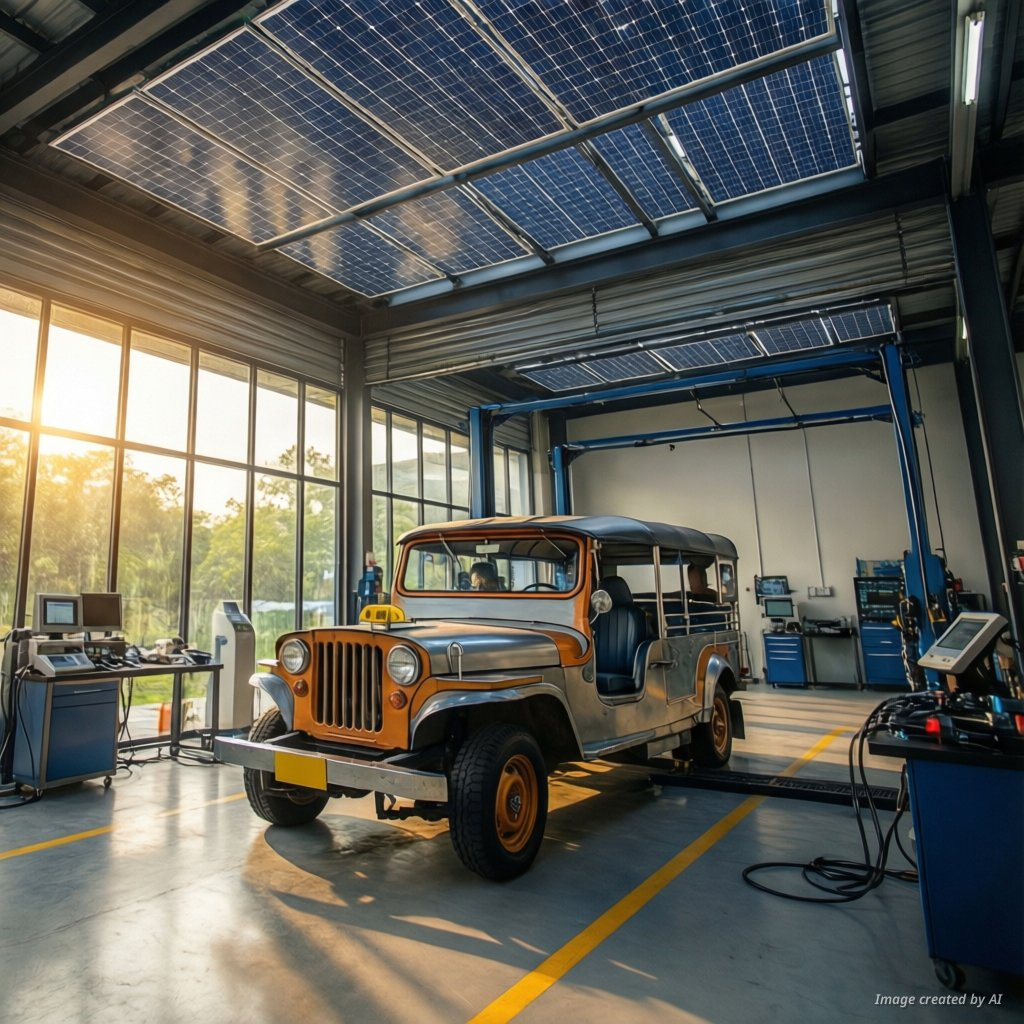
The transition to electric vehicles (EVs) is not just about purchasing new technology. It is about building a robust system where repair and upgrading are prioritized over replacing the entire vehicle. In the Philippines, this perspective is essential for the long-term success of our transportation sector.
Under the EVIDA Law, the development of local capabilities in service and maintenance is emphasized [1]. Understanding the value of maintaining these vehicles will be key to saving consumers money and reducing e-waste in the country.
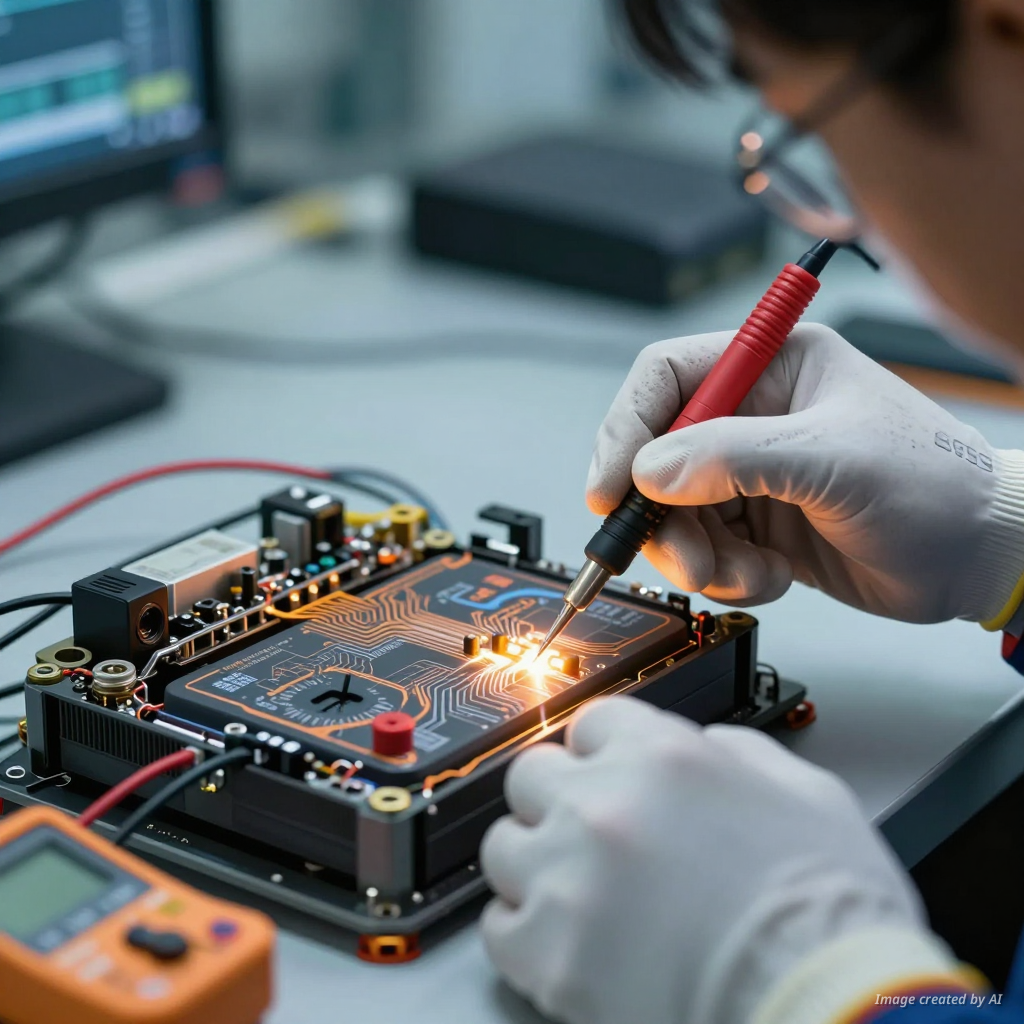
Why repair is more important than replacement
The battery pack is the most expensive part of an EV, often accounting for half the vehicle’s value. Instead of replacing the entire pack when a single module fails, component-level repair is a more practical solution [3]. This approach saves vehicle owners a significant amount of money.
Beyond cost savings, repair helps the environment. It reduces the volume of discarded batteries that can be hazardous to the environment [2]. Extending the life of every vehicle component is a step toward more responsible consumption.
The role of EV retrofitting in the country
EV retrofitting is also a vital part of the future of transportation in the Philippines. This is the process of removing an old internal combustion engine and replacing it with an electric motor and battery. We are already seeing such innovations in public utility vehicles like jeepneys.
By upgrading older vehicles, there is no need to buy new ones. This helps operators maintain their livelihoods without spending large amounts of capital. Education and awareness regarding the circular economy in the Philippine electric vehicle industry demonstrate that upgrading is a smart decision.
Building local capabilities and services
The success of this sector depends on the availability of skilled mechanics. Currently, TESDA is launching courses for EV servicing and maintenance [4]. These programs provide the proper skills for the safe handling of high-voltage systems.
Having access to diagnostic tools and spare parts is also crucial. The “right to repair” is an issue that must be addressed to ensure that not only large companies can service these vehicles [3]. Supporting local repair shops will strengthen our economy.
Future challenges and solutions
Although the benefits are clear, the industry still faces many challenges. One of these is the lack of clear regulations for recycling old batteries. We need policies that facilitate the use of “second-life” batteries for solar power systems [2].
Investing in electric vehicle battery recycling infrastructure: opportunities and challenges should be a priority for the government and the private sector. Through collective effort, the transition to a cleaner and more cost-effective transportation system will become easier.
Conclusion
The future of EV repair and upgrading in the Philippines is full of promise. With the right support from the government, sufficient training for mechanics, and public acceptance, repair will become the standard. We no longer need to replace our vehicles if we can improve them and extend their lifespan.
Choosing repair is choosing a more sustainable future. It is a step that will not only save money but also help preserve our environment for the next generation.
More Information
- EVIDA Law (RA 11697): A Philippine law that establishes a comprehensive framework for the development of the electric vehicle industry, including its manufacture, use, and maintenance in the country.
- Battery management system (BMS): An electronic system that manages a rechargeable battery pack to ensure safety, longevity, and the proper functioning of cells within the battery.
- EV retrofitting: The process of replacing a vehicle’s internal combustion engine with an electric motor and battery system to convert it into an electric vehicle.
- Component-level repair: A repair method where only specific parts or modules are replaced or fixed within a system instead of replacing the entire unit.
- Second-life battery application: The use of EV batteries that no longer have sufficient capacity for vehicle operation but can still be utilized in stationary energy storage systems.
Related Posts
-
 Uncategorized
Factors driving consumers toward electric vehicles
Read more →Currently, the transportation landscape in the Philippines is changing rapidly. Many consumers are beginning to shift from traditional gasoline-powered vehicles…
-
 Uncategorized
Why the use of electric vehicles is growing rapidly among consumers today
Read more →Currently, many of us Filipinos are beginning to change our perspective when it comes to choosing a vehicle. The rise…
-
Uncategorized
OTA updates for smart massage chair systems
Read more →Driving for long hours causes extreme physical fatigue. For drivers, having a smart massage chair is a significant help. These…